
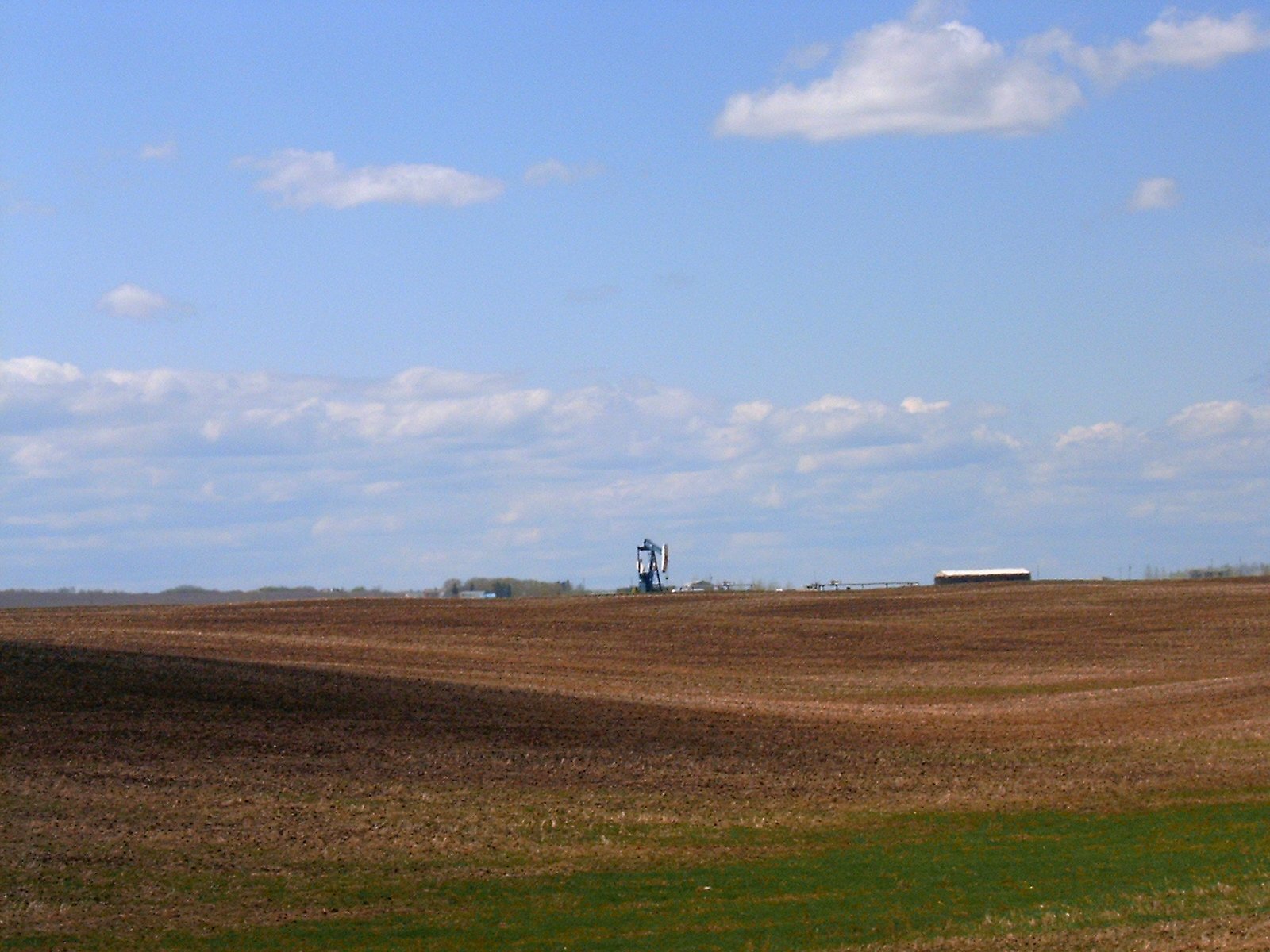
A wellsite running a completions job in BC’s Peace Region loses real money the moment production stops. A benchmark from a Canadian oilfield service provider puts it plainly: a site producing 120 barrels an hour at a $30-a-barrel margin bleeds roughly $3,600 for every hour it’s down. A snapped hydraulic hose on the rig floor, a seized pump component, a blown seal on a wellhead — production doesn’t come back until the part is in a hand on site, and the nearest big-box supplier is hours away in every direction.
The Booking
Canyon Runner Hotshot doesn’t have a documented Peace Region wellsite run on the books yet, but here’s how a dispatch like this is built to play out, hour by hour. 9:10 PM: a completions supervisor near Dawson Creek books the load online at bchotshot.ca — no ticket number, no call centre, no hold music. 9:50 PM: the part is confirmed in stock at a Lower Mainland supplier and loaded into the truck. 10:10 PM: rolling north on Highway 97. 10:00 AM: delivered to the wellsite, roughly 1,220 km and just under 13 hours after the load was booked.
Why a Big Carrier Can’t Move That Fast
A national LTL carrier routes that same part through a regional terminal first — Kamloops or Prince George, then a second truck for the last leg — with a dispatch desk and a ticket system standing between the shipper and the driver. Canyon Runner Hotshot skips that chain entirely: the booking comes in online, the part gets loaded, and the truck drives. There’s no terminal handoff between the Lower Mainland and the wellsite, and no waiting for the next scheduled run north.
1,220 Kilometres Without a Forced Stop
The run north covers Highway 97 through Cache Creek, Quesnel and Prince George, over Pine Pass, and into the Peace River valley at Chetwynd before the final stretch to Dawson Creek or Fort St. John — roughly 1,220 km, a straight 11-to-12-hour drive in good conditions. A semi covering that distance is bound by federal ELD rules once GVWR or GCWR passes 4,500 kg, and a driver whose clock runs out partway through is looking at a mandatory reset on the shoulder of Highway 97, not a wellsite. A half-ton hotshot under that threshold has no logged clock forcing a stop — a truck leaving the Lower Mainland at 10:10 PM can still be moving at 10:10 AM. BC’s weigh scales tell the same story: any commercial vehicle over 5,500 kg licensed GVW has to report in, including bobtailing. A loaded Ram 1500 stays under that number and rolls past every scale on the route.
What’s Actually Drilling Up There
BC’s Montney play, centred on the Peace Region around Fort St. John and Dawson Creek, produced a record 18.3 billion cubic feet of natural gas a day in 2024, and industry projections point to as many as 32,000 new wells drilled in the play by 2050. ARC Resources, Tourmaline and Ovintiv all run active development programs in the area. Every one of those wellsites runs on equipment that fails on its own schedule, not a supplier’s business hours.
A completions crew standing around a stalled rig isn’t a business-hours problem. Canyon Runner Hotshot answers the call at 9 PM the same way it answers at 9 AM, loads from the Lower Mainland, and drives straight to the wellsite — no terminal, no ticket number, no next-day promise. Save it in your phone under “EMERGENCY HOTSHOT” before the rig floor goes quiet.
Thumbnail photo: “Alberta pumpjack 011” by Glenlarson, via Wikimedia Commons, released into the public domain.