
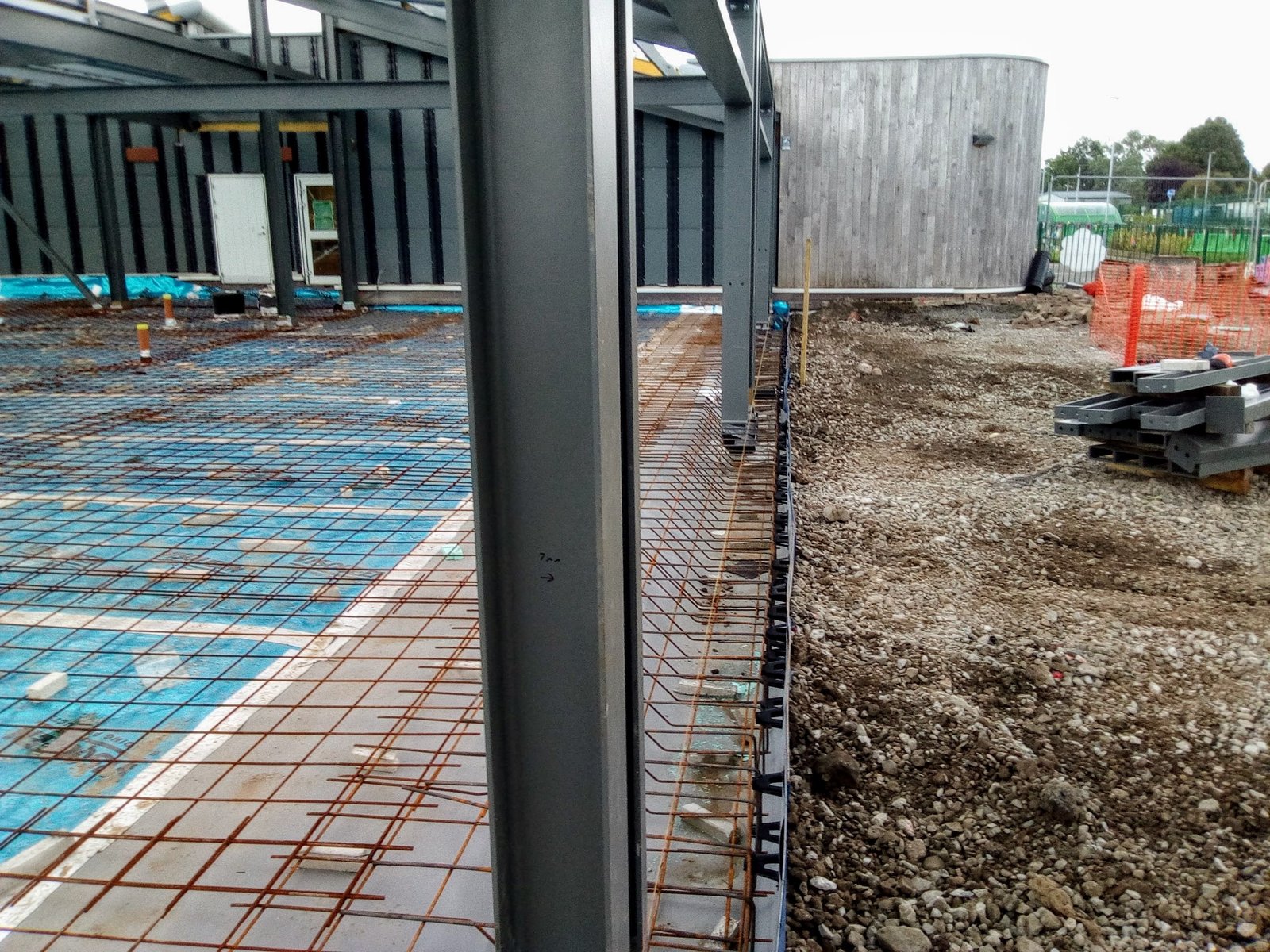
At 5:45 AM, a site superintendent on a West Kelowna mid-rise job opens the site trailer expecting the foundation embed plates that anchor the structural steel columns. The crate that arrived the day before has the wrong plates in it — a supplier packing error. Three ready-mix trucks are booked for a 7:00 AM pour. A 14-person crew is already on site. Without the correct embed plates in place before the pour, the crew has two options: pour anyway and cut expensive rework into cured concrete later, or cancel the ready-mix booking and send everyone home. Neither one is free, and neither one is fast to undo.
The Booking
Here’s how a scenario like this typically plays out for Canyon Runner Hotshot — not a specific past job, but an illustrative run based on real drive times and real response windows. 5:52 AM: the super checks bchotshot.ca, sees a truck available, and books the load online — no supplier’s 1-800 line, no hold music. 6:50 AM: the correct embed plates are confirmed in stock at a Lower Mainland steel supplier, loaded, and rolling north on the Coquihalla — about an hour after the booking went in. 10:35 AM: delivered to the West Kelowna site. The pour starts at 11:00 AM instead of 7:00 AM — a four-hour delay instead of a scrapped day and a re-booked concrete order.
Why a Big Supplier’s Logistics Desk Can’t Make This Call
A large steel or building-materials distributor routes an urgent will-call request through a logistics desk: a ticket gets opened, a same-day courier gets booked if one’s available, and the part moves on that courier’s existing route — not necessarily straight to the job site, and not necessarily today. Canyon Runner Hotshot skips the ticket. One driver takes the call, confirms the part, and is loaded and rolling within about an hour of the call. There’s no dispatcher relaying instructions to a driver who’s somewhere else on a route already — the person who answers the phone is the person driving.
What a Cancelled Pour Actually Costs
A cancelled or postponed concrete pour isn’t a schedule inconvenience — it’s a bill. Ready-mix suppliers typically charge a cancellation or short-notice fee once trucks are dispatched, and rebooking a pour slot on short notice often means paying rush pricing to get back into the schedule. On a mid-size pour, a cancelled pour means concrete costs sunk before the truck ever arrives, plus a full day of idle wages for a 12-to-14-person crew standing around with nothing to do. A $200 crate of steel plates showing up four hours late is a rounding error next to what a scrapped pour actually costs the site.
The Coquihalla Advantage Nobody Talks About
The Lower Mainland-to-Kelowna run covers around 400 km, almost all of it on the Coquihalla, a corridor lined with commercial vehicle inspection stations that every loaded semi and cube van has to clear. A Ram 1500 hotshot running under 5,500 kg licensed GVW isn’t required to report to those scales. On a morning when minutes matter, that’s not a technicality — it’s one less stop between the supplier’s dock and the job site.
If a Missing Part Is About to Cost You a Pour Day
Construction schedules don’t have slack built in for a supplier’s packing mistake. If a missing bracket, plate, coupler, or fastener is about to turn into a cancelled pour or an idle crew anywhere in the Okanagan, book online at bchotshot.ca before the concrete trucks get sent home. One truck, one driver, rolling within about an hour of the booking.
Thumbnail photo: “Ready for concrete” (construction site foundation, steel reinforcement) by Bugsybanana, via Wikimedia Commons, licensed under CC BY-SA 4.0.
